Wondering how to sell your home in Toledo without getting overwhelmed by pricing, repairs, showings, and closing details? If that sounds like you, you are not alone. Selling a home comes with a lot of moving parts, but with the right plan, you can make smart decisions, avoid delays, and move forward with more confidence. Let’s walk through a step-by-step plan that helps you prepare, launch, negotiate, and close with a clear strategy.
Understand Toledo market timing
Toledo’s housing market has been active, but the numbers vary depending on the source. Recent reports showed median sale or list prices in roughly the $119,900 to $132,500 range, with median days on market between 41 and 49 days. Zillow also reported 10 days to pending as of April 30, 2026, which suggests that well-prepared and well-priced homes can attract attention quickly.
The key takeaway is simple: timing and pricing matter from day one. These market snapshots are best used as directional guides, not exact predictions. In a market where some homes get multiple offers, your launch strategy can have a real impact on both speed and price.
Start with a pricing plan
Pricing is one of the first and most important decisions you will make. In Toledo, where market activity can move quickly, pricing too high may slow down early interest, while pricing based on current comparable sales and your home’s condition can help you capture attention right away.
This matters even more because the first few days on the market are often the most important for visibility. Buyers often begin their search online, and strong early activity can help a listing get more views, saves, and showing requests. A solid pricing plan should reflect what similar homes have actually sold for, not just what sellers hope to get.
Why realistic pricing matters
Recent Toledo data suggests that many homes are selling close to list price, with Realtor.com reporting a 100% sale-to-list ratio in March 2026. That tells you buyers are paying attention to homes that hit the market at a competitive number.
Instead of leaving a large cushion for negotiation, it often makes more sense to focus on market value, condition, and buyer expectations. A realistic list price can create stronger momentum than a price reduction later.
Prepare your home before listing
Before your home goes live, take time to get it market-ready. A smoother launch starts with knowing your home’s condition, deciding what needs attention, and making the property easier for buyers to picture as their next home.
Preparation does not always mean a full remodel. Often, it means making thoughtful updates, addressing major concerns, and presenting the home cleanly and clearly online and in person.
Consider a pre-sale inspection
A pre-sale inspection can help you understand issues before a buyer finds them. Inspectors typically review the structure, exterior, roof, plumbing, electrical systems, heating and air conditioning, interiors, ventilation and insulation, and fireplaces.
This gives you time to make a plan instead of reacting under pressure later. Even if you do not plan to complete every repair, getting estimates for major items like a roof, HVAC system, or appliance issue can help you price the home more accurately and respond better during negotiations.
Decide what to repair
Not every issue needs to be fixed before listing. Focus first on items that could affect value, financing, or buyer confidence. Larger mechanical or structural concerns usually deserve the most attention.
Cosmetic issues may be less urgent, especially if the home is priced accordingly. The goal is to understand which improvements help your sale most and which ones may not deliver a strong return.
Use staging to improve presentation
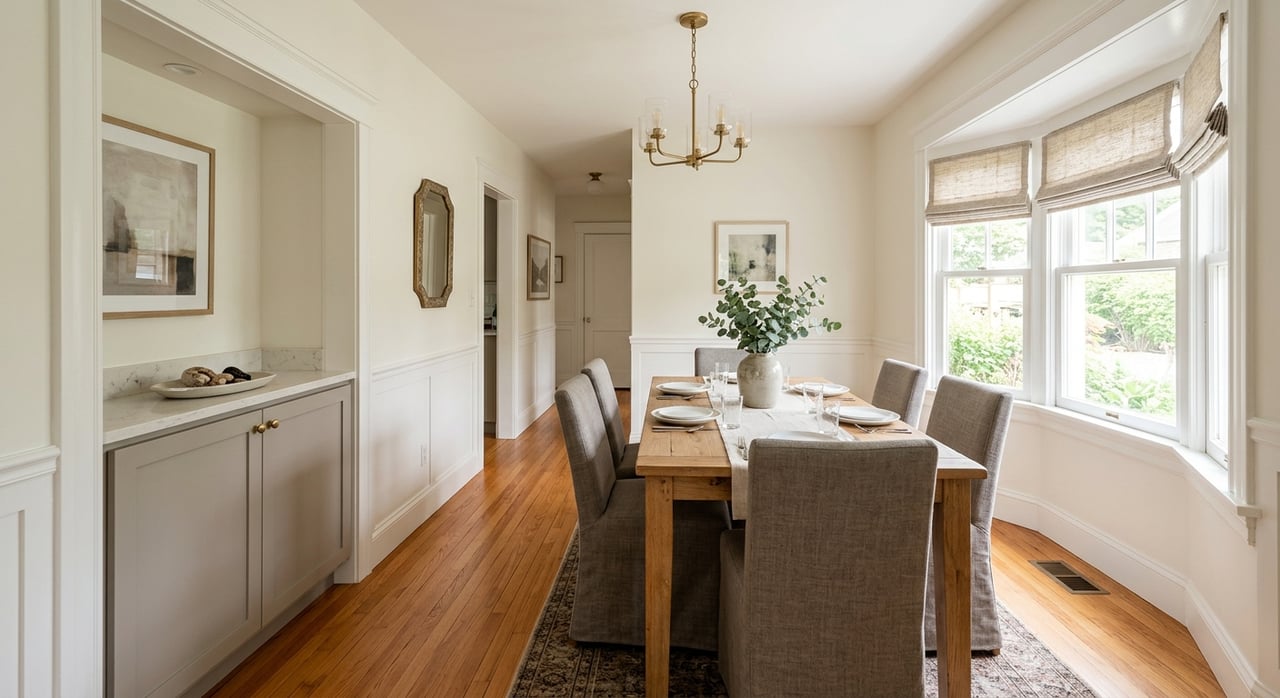
Staging can make a meaningful difference in how buyers respond to your home. According to NAR research, 83% of buyers’ agents said staging makes it easier for buyers to visualize a property as a future home, and 49% said staging reduced time on market.
You do not always need an elaborate setup. Staging can be as simple as cleaning thoroughly, reducing clutter, rearranging furniture, and adding simple decor that helps rooms feel open and functional.
Boost curb appeal
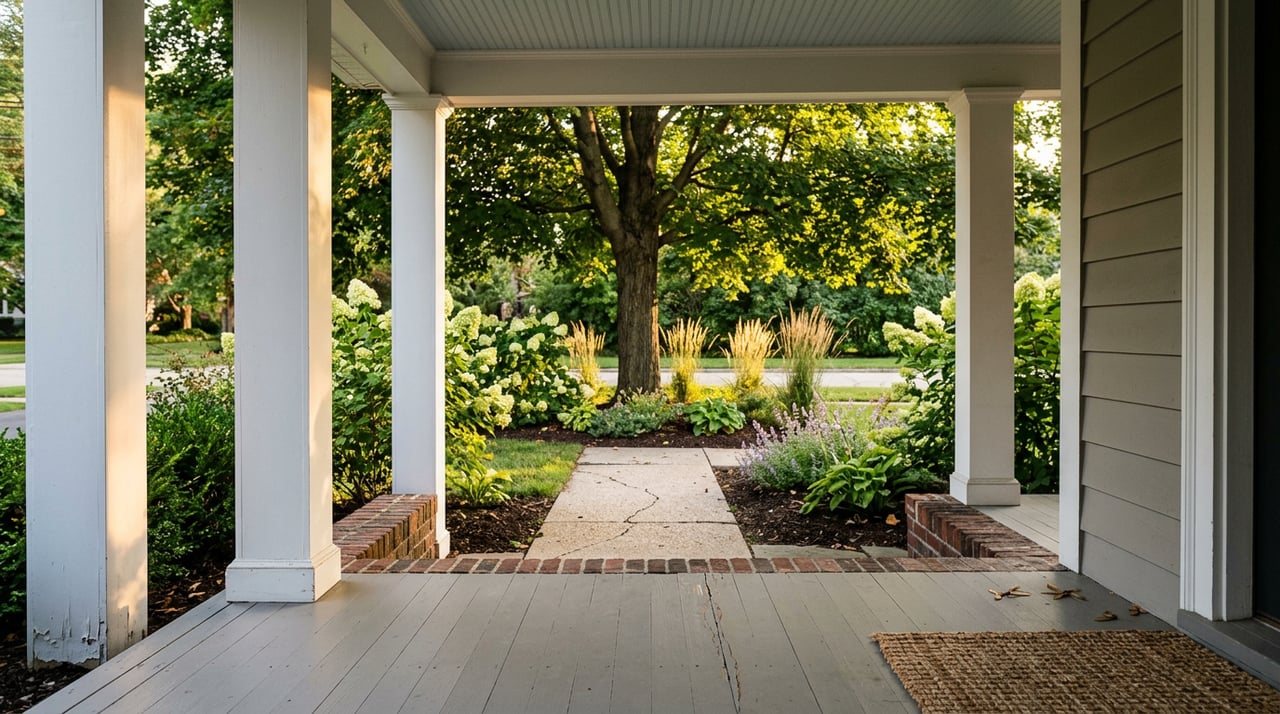
Your exterior sets the tone before a buyer ever walks inside. Basic landscaping, fresh paint touch-ups, and a tidy front entry can make the home feel better maintained.
That first impression also carries over to online marketing. If your exterior photos look inviting, more buyers may click through to see the rest of the listing.
Build a strong online launch
Most buyers start online, which means your listing needs to make an immediate impression. NAR reports that 52% of buyers found the home they purchased online, and 81% rated listing photos as the most useful feature in their search.
That is why the launch matters so much. In Toledo, where homes can move quickly, strong photography, clear descriptions, and broad exposure can help create momentum early.
Prioritize listing photos
Photos are often your first showing. They influence whether buyers click, save the listing, or ask to see it in person.
Professional photography gives your home the best chance to stand out. Clean, bright, well-composed images help buyers understand the space and picture themselves there.
Plan the first week carefully
The first several days after your listing goes live can shape the rest of your sale. Early views, saves, and shares can help your home gain wider visibility.
That is also why many sellers aim to be fully ready before launch. It is usually better to hit the market with strong photos, a clean presentation, and showing availability than to rush live while still finishing prep.
Manage showings and open houses
Once your listing is active, accessibility matters. Showings and open houses give buyers a chance to see the property in person, ask questions, and compare it with other options.
Holding the first open house the weekend after the home goes on the market can help maximize exposure. If your home is priced well and shows well, that first weekend can be especially important.
Make showings easier on yourself
Try to keep the home tidy and ready to show with short notice. That can be inconvenient, but flexibility can increase the number of buyers who get through the door.
A simple showing plan helps. Secure valuables, keep surfaces clear, open blinds for natural light, and have a quick routine for leaving the home presentable.
Review offers with a strategy
When offers come in, price is only one part of the conversation. Terms often matter just as much. Negotiations may include repairs, credits, contingencies, and the proposed closing date.
The best offer is not always the highest number. A cleaner offer with fewer hurdles or a timeline that fits your move may be stronger overall.
Look at the full picture
As you review offers, consider:
- Offered price
- Financing type
- Inspection and appraisal contingencies
- Requested closing date
- Repair requests or credits
- Any other contract terms that may affect timing or certainty
A clear comparison helps you avoid focusing on one number while missing other details that could affect your bottom line or stress level.
Prepare for inspection negotiations
Inspection negotiations move faster when you have already thought through your limits. Before offers arrive, decide which repairs you are willing to make, which issues you would rather credit, and which requests you may decline.
That preparation can help you respond quickly and stay calm. It also keeps the transaction moving when timing matters.
Handle Ohio disclosures correctly
In Ohio, sellers of most residential properties with one to four dwelling units must complete the state residential property disclosure form and deliver it as soon as practicable. This is an important part of the sale and should not be left until the last minute.
If a buyer receives the disclosure form, or an amendment to it, after entering into the contract, Ohio law allows rescission within three business days of receipt, as long as the rescission happens no later than 30 days after acceptance or the closing date. In practical terms, prompt disclosure helps reduce the chance of avoidable delays.
Know the lead-based paint rule
If your home was built before 1978, federal law requires disclosure of known lead-based paint hazards and related records before sale. Sellers must also provide the EPA/HUD lead hazard information pamphlet.
If your home falls into this category, make sure this requirement is handled early and accurately as part of your listing preparation.
Budget for Lucas County closing costs
Selling a home involves more than agent strategy and buyer negotiations. You should also plan for transfer-related costs at closing so there are no surprises.
In Lucas County, the Auditor’s Office says the conveyance fee is $4.00 per $1,000 of the sale price, plus a $0.50 transfer fee per parcel. The Recorder also charges $39 for the first two pages of a deed and $8 for each additional page.
Understand tax proration
Lucas County notes that most real estate sales use a short proration method. The county also says real estate taxes are billed six months in arrears, with bills usually due the first Wednesday in February and the last Wednesday in July.
That means taxes are often adjusted between buyer and seller at closing based on the timing of the sale. It is a local detail worth understanding early when you estimate your net proceeds.
Expect a realistic closing timeline
From accepted offer to closing, many home sales take about 30 to 60 days. Redfin cites an average of about 42 days, though each transaction can vary based on financing, inspections, appraisal timing, and title work.
There is also a required waiting period built into many financed purchases. The buyer must receive the Closing Disclosure at least three business days before closing, which can affect the final schedule.
Simple Toledo selling timeline
Here is a practical way to think about the process:
- Pre-listing prep: pricing, repairs, staging, photos, and disclosures
- Launch week: listing goes live, showings begin, and the first open house may happen that weekend
- Offer stage: review terms, negotiate, and accept the strongest offer
- Under contract: inspection, possible repair negotiations, appraisal, and lender processing
- Closing: final paperwork, tax proration, deed transfer, and recording through Lucas County
After closing, the deed transfer paperwork goes through the Lucas County Auditor’s Office before recording with the Recorder.
Why a step-by-step plan matters
Selling your home in Toledo is not just about putting a sign in the yard. It is about pricing carefully, preparing the property well, creating strong online exposure, handling showings efficiently, and staying ahead of disclosures and closing details.
When each step is handled with a plan, you put yourself in a stronger position to attract buyers, negotiate confidently, and keep your sale on track. If you want practical local guidance on pricing, prep, marketing, and negotiation, Justin Spann can help you move through the process with a clear strategy.
FAQs
What is a realistic timeline for selling a home in Toledo?
- A practical timeline includes pre-listing prep, launch week, offer review, the under-contract period, and closing. After you accept an offer, many sales close in about 30 to 60 days.
What repairs should you make before listing a Toledo home?
- Start with larger issues that may affect value, financing, or buyer confidence, such as roofing, HVAC, plumbing, or electrical concerns. Cosmetic updates may be optional depending on price and condition.
How important are staging and photos when selling a home in Toledo?
- They are very important because many buyers begin online. Staging can help buyers visualize the home, and strong listing photos can improve clicks, saves, and showing requests.
What disclosures are required when selling a home in Ohio?
- Sellers of most residential properties with one to four dwelling units must complete the Ohio residential property disclosure form as soon as practicable. Homes built before 1978 also require lead-based paint disclosures if applicable.
What local costs should you expect when selling a home in Lucas County?
- Lucas County charges a conveyance fee of $4.00 per $1,000 of sale price, plus a $0.50 transfer fee per parcel. Recorder fees for the deed also apply, and tax proration is typically handled at closing.