Trying to choose between an older home and a newer one in Toledo? You are not alone. In a city where older homes make up most of the housing stock, this decision is less about picking a rare vintage property and more about understanding what kind of upkeep, budget, and lifestyle fit you best. If you are weighing charm against convenience, or value-add potential against move-in ease, this guide will help you sort through the tradeoffs with a Toledo-specific lens. Let’s dive in.
Why This Choice Matters in Toledo
In Toledo, older homes are the norm. The city has reported that 82.5% of homes are more than 50 years old, and its 2025-2029 Consolidated Plan says 91.4% of owner-occupied units were built before 1980.
That matters because your search will likely include many pre-1980 homes and a smaller share of true new construction. So instead of asking, “Should I buy old or new?” the better question is often, “Which type of home fits my budget, repair tolerance, and long-term goals?”
Older Toledo Homes: What You Gain
Older homes can offer a lot of opportunity, especially if you are comfortable looking beyond cosmetic issues. In Toledo, that can mean more choices in traditional single-family homes and smaller multi-unit properties, since single-family and two-unit homes make up 83% of the housing stock.
For many buyers, the biggest draw is flexibility. An older home may offer renovation upside, especially when the price reflects the home’s current condition more than its future potential.
More Character and Remodeling Potential
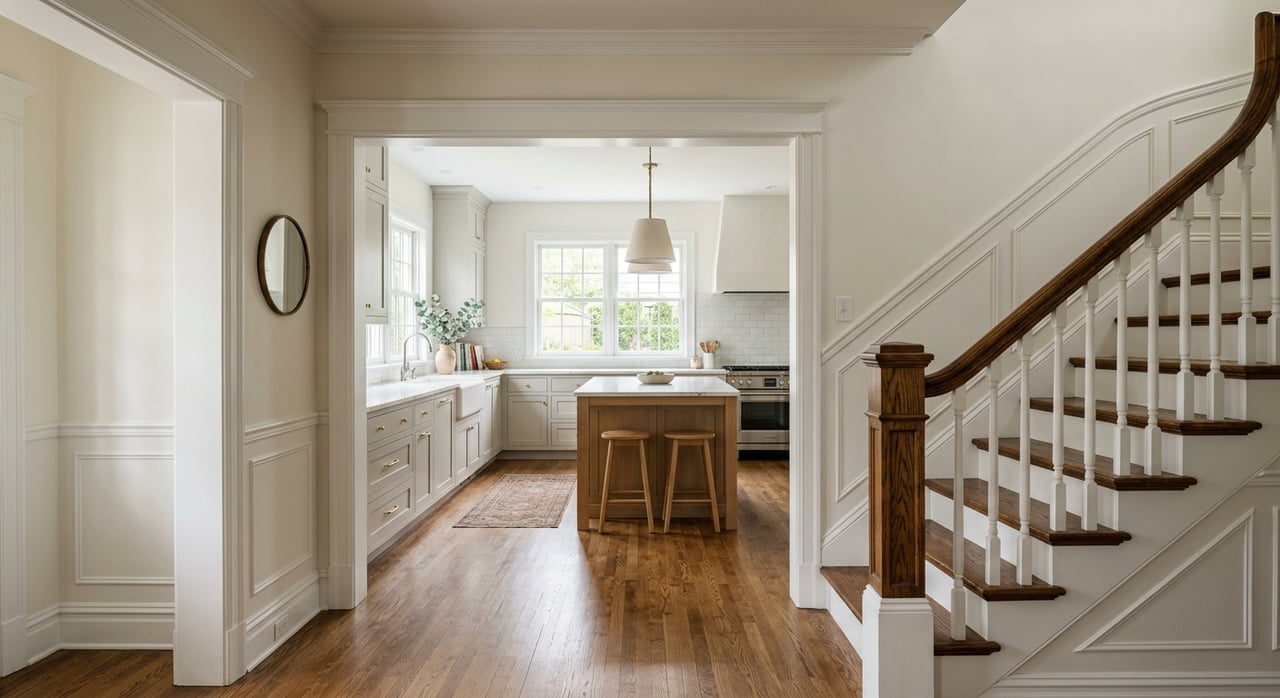
If you like the idea of making a home your own, older properties often give you more room to do that. You may find homes with layouts, porches, trim, or exterior details that are less common in newer construction.
That does not automatically make an older home the better deal, but it can make it a better fit for buyers who are willing to plan updates over time. This is especially true if you want to build equity through improvements rather than pay more upfront for turnkey condition.
More Common in the Local Market
Because Toledo’s housing stock skews older, your options in this category are simply broader. If you want a detached home in an established area, you will likely spend more time comparing condition, updates, and repair history than comparing build eras.
That wider supply can be helpful, but it also means you need to evaluate each property carefully. Two homes built in the same decade can have very different levels of maintenance and improvement.
Older Toledo Homes: What to Watch Closely
Age alone does not make a home a bad choice. Still, older homes in Toledo often require more diligence, especially when it comes to major systems and exterior wear.
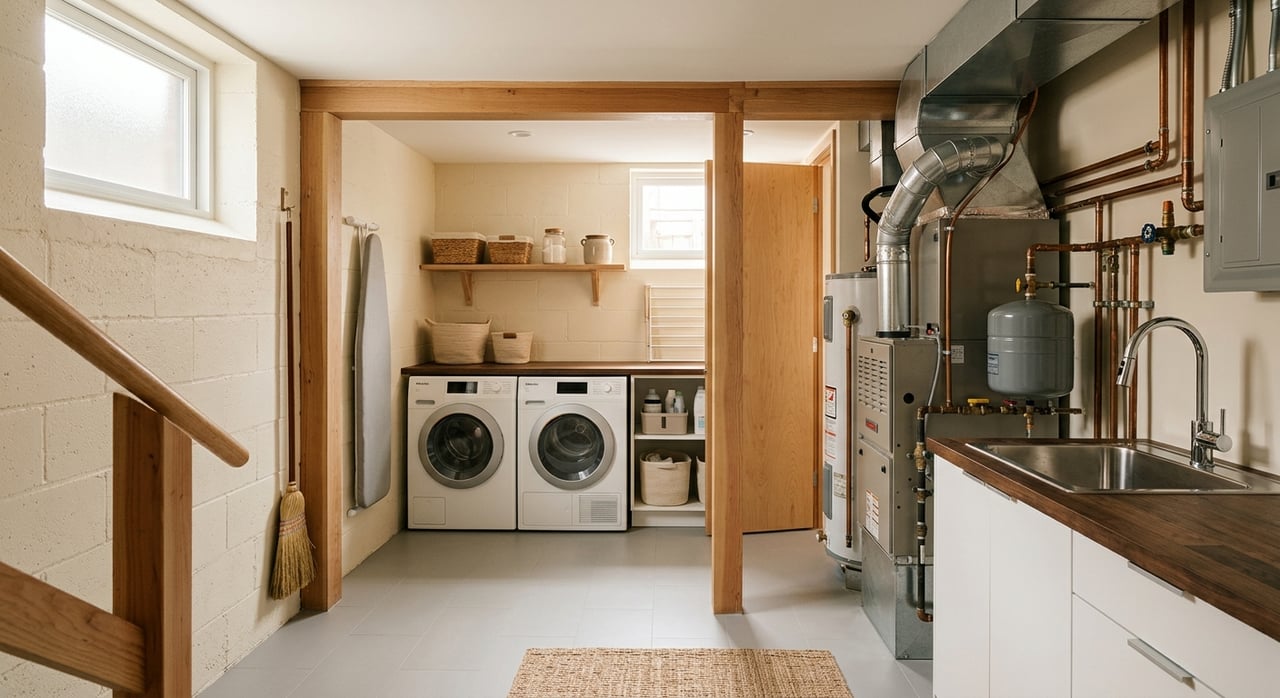
The city’s housing plan highlights common repair needs in older homes, including roofing, window replacement, exterior paint and siding, porches and foundations, and heating and electrical systems. Those are not minor details. They can affect your comfort, safety, and total cost after closing.
Lead Risk in Pre-1978 Homes
If a home was built before 1978, lead-based paint is an important consideration. The EPA says renovation, repair, and painting in pre-1978 homes can create lead dust, which is why testing and lead-safe work practices matter before major projects.
In practical terms, that means you should go in with your eyes open. If you are planning updates in an older Toledo home, lead evaluation should be part of your due diligence.
Deferred Maintenance Can Change the Math
An older home may look like the lower-cost option at first. But if the roof, windows, foundation, electrical system, or heating equipment need work, your total cost can rise quickly.
Toledo’s climate adds another layer here. NOAA engineering weather data for Toledo shows an average of 62 freeze-thaw cycles per year, which can put extra stress on roofs, masonry, and areas where water intrusion is already starting.
Newer Toledo Homes: Why Buyers Like Them
Newer homes usually appeal to buyers who want fewer near-term projects and a more predictable move-in experience. If your goal is convenience, lower maintenance, and fewer surprise repairs, a newer home or recently renovated property may be the cleaner fit.
That can be especially appealing if you are a first-time buyer, have a tight post-closing budget, or simply do not want to take on repairs right away. In many cases, what you are paying for is not just the home itself, but the reduced need for immediate work.
Code Compliance and Inspection Process
One advantage of newer construction in Toledo is that new builds and major renovations go through city permitting, code review, and safety inspection. The City of Toledo says its Building Inspection Division enforces the Ohio Building Code, the Residential Code of Ohio, and related mechanical, electrical, and fire-safety codes.
When work is complete, new construction and major renovations also require a certificate of occupancy. That gives buyers another checkpoint to verify before closing.
Better Efficiency Potential
Efficiency is another reason some buyers prefer newer homes. ENERGY STAR says certified new homes and apartments offer better energy efficiency and performance than other homes and apartments.
Even so, it helps to verify what you are actually getting. A newer home may be more efficient than an older one, but features, construction quality, and upgrades still vary from property to property.
Newer Toledo Homes: The Tradeoffs
Newer does not always mean easier to find. Because Toledo has such an older housing base, true new-construction supply is relatively limited compared with the broader older-home market.
That smaller supply can affect your choices, timing, and price point. If you are set on a newer home, you may need to be more flexible on location, size, or features.
Verify the Paperwork
Even with newer homes, due diligence still matters. Buyers should verify the builder, permit history, inspection status, and certificate of occupancy before closing.
If you are looking at a recently renovated property, it is also worth confirming whether the work required permits. The city notes that contractors performing home repairs or remodeling must be licensed with Toledo.
How to Decide What Fits You Best
In Toledo, age matters, but condition matters more. A well-maintained older home can be a stronger choice than a newer home with poor workmanship, and a recently renovated property can be a great middle ground if the work was done properly.
The key is to match the home to your priorities, not just the year it was built. Start with how you want to live, how much project tolerance you have, and how much cash you want to keep available after closing.
An Older Home May Fit You If
- You want a lower entry price
- You are comfortable budgeting for repairs and updates
- You like the idea of renovation upside
- You want more options in Toledo’s established housing stock
- You are prepared to evaluate condition carefully
If you go this route, your budget should include inspection, lead evaluation for pre-1978 homes, likely repairs, and possible energy upgrades. The Department of Energy recommends a home energy assessment as the first step before making energy-saving improvements.
A Newer Home May Fit You If
- You want fewer immediate projects
- You prefer more predictable systems and maintenance
- Energy efficiency is a top priority
- You want a more turnkey move-in experience
- You are comfortable with a smaller pool of available homes
This path can make budgeting easier in the short term, but you should still verify permits, inspections, and final occupancy status where applicable.
Budgeting for Toledo’s Real Costs
One of the smartest ways to compare older versus newer homes is to think beyond the sale price. What matters is your total first-year and first-few-years cost.
With older homes, that may include roofing, windows, siding, porch repairs, foundation work, heating updates, or electrical improvements. With newer homes, the premium may be built into the upfront price instead.
Think in Three Buckets
When comparing homes, it helps to break costs into three simple buckets:
- Purchase price: What it takes to buy the home
- Immediate work: Repairs, safety items, and must-do updates
- Near-term ownership costs: Efficiency upgrades, maintenance, and system replacements
This approach can keep you from focusing too much on list price alone. A cheaper home is not always the more affordable one after closing.
A Toledo-Specific Bottom Line
In Toledo, choosing between an older and newer home is really about choosing your version of value. Older homes often offer more supply and more room to improve a property over time. Newer homes tend to offer greater convenience, updated systems, and a more straightforward move-in experience.
Neither option is automatically better. The right choice depends on whether you want to trade convenience for flexibility, or pay more upfront to reduce repair risk and maintenance in the near term.
If you are comparing homes in Toledo, it helps to work with someone who understands how to spot condition issues, weigh renovation potential, and help you look past the listing photos to the real costs and opportunities. If you want practical guidance as you compare older and newer homes across Toledo and Northwest Ohio, Justin Spann is here to help.
FAQs
What makes older homes common in Toledo?
- Toledo has a heavily older housing stock, with the city reporting that 82.5% of homes are more than 50 years old and most owner-occupied units were built before 1980.
What should Toledo buyers inspect first in an older home?
- Toledo’s housing plan highlights roofs, windows, exterior paint and siding, porches, foundations, and heating and electrical systems as common repair areas in older homes.
What should Toledo buyers know about lead in older homes?
- Homes built before 1978 are more likely to contain lead-based paint, and renovation or repair work can create lead dust, so testing and lead-safe work practices are important.
What makes newer homes appealing in Toledo?
- Newer homes often offer fewer near-term repairs, more predictable systems, and better efficiency potential, which can make moving in feel simpler and more manageable.
What should buyers verify on a newer Toledo home?
- Buyers should confirm permit history, inspection status, builder information, and whether a certificate of occupancy was issued when required.
Is an older or newer home the better value in Toledo?
- In Toledo, condition matters more than age alone, so the better value depends on the home’s upkeep, your repair budget, and how much project work you are willing to take on.